

Bad credit loan documents may include proof of identity, income records, bank information, housing details, and existing debt information. Applying for a bad credit loan may involve more than filling out a short online form.
A lender may need to verify who you are, where your income comes from, how much you already owe, and whether the new payment is realistic for your budget.
The exact documents can vary by lender, loan type, state rules, and your personal situation. Some lenders may ask for only basic information at first. Others may request proof before making a final decision or before sending funds.
Prepare your documents before applying. This may make the application process easier and help reduce delays. It also gives you time to find errors, update old records, and correct details that do not match.
Why Lenders Ask for Documents
Lenders use documents to check your application details. This may be especially important if you have bad credit, limited credit history, recent late payments, or unstable income.
A lender may use documents to verify your identity, income, employment, address, bank account, monthly obligations, and ability to repay the loan. The Consumer Financial Protection Bureau lists proof of identity, Social Security number, and other application materials as common parts of a loan application packet.
Bad credit does not always lead to denial. However, the lender may check your application more carefully. If key details cannot be verified, the lender may delay the review, offer a smaller amount, or deny the application.
Submitting complete and accurate information does not guarantee approval, but it can make the review process clearer.
Basic Bad Credit Loan Documents You May Need First
Before asking for documents, many online applications start with basic personal and financial details.
You may need to provide your full legal name, date of birth, current address, phone number, email address, requested loan amount, income amount, employment status, housing status, monthly rent or mortgage payment, and bank account information.
Make sure this information matches your documents. If your application says one address but your ID or bank statement shows another, the lender may ask for further verification.
Proof of Identity
A lender may ask for a valid government-issued ID to confirm your identity.
Accepted documents may include a driver’s license, state ID card, passport, or another approved form of identification.
Make sure your ID matches the information on your application. An expired ID or a different address may cause the lender to ask for further verification.
If you recently moved, the lender may ask for a separate proof of address. This could include a utility bill, lease agreement, bank statement, or other document that shows your current residence.
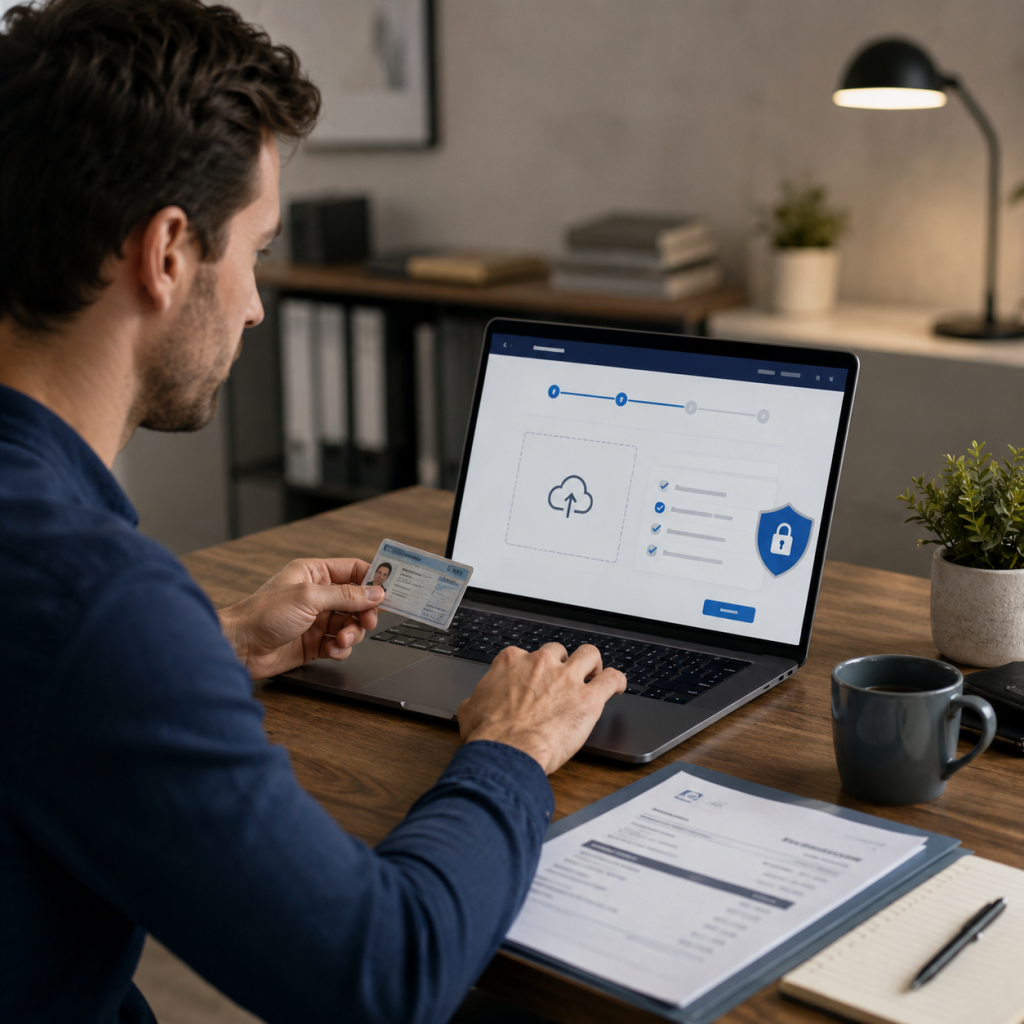
Before uploading your ID, check that the image is clear. Make sure all four corners are visible and that the text is readable. Blurry or cropped images may slow the review.
Social Security Number or Tax Identification Information
Many lenders ask for a Social Security number to confirm your identity and check your credit when permitted. Some applicants may need to provide tax identification information instead, depending on the lender and loan type.
Protect this information carefully. Use only the lender’s official website or another secure application channel. Avoid regular email, text messages, and unfamiliar upload links.
A lender that asks for sensitive information should also provide clear information about how the data will be used.
Proof of Income
Proof of income is one of the most important parts of a bad credit loan application. A lender may want to see whether you have enough regular income to manage the proposed payment. Income records are often among the most important bad credit loan documents because they help the lender review repayment ability.
Depending on your situation, proof of income may include:
- Recent pay stubs
- Bank statements
- Tax returns
- W-2 forms
- 1099 forms
- Benefit statements
- Pension or retirement income records
- Disability or Social Security income records
- Child support or alimony records, if you choose to use that income
- Self-employment income records
Recent documents are usually more helpful because they show your current income. If your income has changed, prepare records that explain the change. CFPB guidance also recommends gathering the most recent copies of time-sensitive paperwork, such as pay stubs and bank statements, when preparing loan documents.
If you recently changed jobs, prepare pay stubs from your new employer. If you are self-employed, prepare records that show your income. These may include bank statements, invoices, tax records, or profit-and-loss statements.
Not every lender accepts every type of income. Before applying, check whether the lender accepts the income source you plan to use.
Employment Information
Some applications ask for employment details even if the lender does not immediately request documents.
You may need to provide:
- Employer name
- Work address
- Job title
- Length of employment
- Employer phone number
- Pay frequency
- Gross income
- Net income
Self-employed applicants may be asked for additional information because their income may vary from month to month. A lender may want to see a longer income history instead of one recent payment.
If you work multiple jobs, list the information accurately. Do not combine income sources in a way that makes the application unclear.
Bank Account Information
A lender may ask for an active checking account. This may be used to confirm financial information, send loan funds, or set up electronic repayment.
You may be asked for your bank name, routing number, account number, recent bank statements, or account login verification through a secure third-party system.
Before sharing bank details, review how the lender will use them. Check whether payments will be withdrawn automatically, when withdrawals will happen, and whether you can change or cancel the payment method later.
A bank account does not guarantee loan approval. It may only help the lender confirm financial details, send the loan funds, or set up repayment.
Housing and Address Documents
Bad credit loan applications often ask about your housing situation because housing costs affect repayment ability.
You may need to provide:
- Current address
- Length of time at that address
- Rent or mortgage payment
- Landlord or mortgage company information
- Lease agreement
- Utility bill
- Mortgage statement
A lender may compare your housing payment with your income and other obligations. A high housing payment does not always mean denial, but it may affect the amount you can borrow.
If you have recently moved, prepare a document that shows your current address. This can help avoid delays if your ID or credit report still shows an old address.
Existing Debt and Monthly Obligations
A lender may also ask about your current debts and recurring monthly obligations. These figures help the lender estimate whether the new loan payment fits into your budget.
You may need to provide information about:
- Credit card payments
- Auto loans
- Personal loans
- Student loans
- Child support
- Alimony
- Other installment debts
- Other recurring financial obligations
Be honest about your existing debts. A lender may check your credit report, bank statements, or other records. If the numbers do not match your application, the lender may ask questions or deny the application.
If your goal is to combine several balances, read our guide on getting a debt consolidation loan with bad credit before choosing which debts to include.
Documents for a Secured Bad Credit Loan
Some bad credit loans require collateral. Collateral may be a vehicle, savings account, or another asset the lender accepts.
If the loan is secured, the lender may ask for additional documents, such as:
- Vehicle title
- Vehicle registration
- Proof of insurance
- Savings account information
- Asset ownership records
- Appraisal or valuation documents
Secured loans can carry extra risk. If you miss payments, the asset may be at risk. Read the agreement carefully before using a vehicle or other important asset as collateral.
Documents for a Co-Signer or Co-Borrower
Some lenders allow a co-signer or co-borrower. This may help some applicants qualify, but it also adds responsibility for the other person.
The lender may ask the co-signer or co-borrower for:
- Proof of identity
- Social Security number or tax identification information
- Proof of income
- Employment information
- Address information
- Credit authorization
Only involve another person if both of you understand the repayment responsibility. Missed payments may hurt both credit reports and may also damage the relationship.

Check for Inconsistent Information
Before submitting an application, review every field carefully. Small mistakes can cause delays.
Check:
- Name spelling
- Date of birth
- Current address
- Previous address
- Income amount
- Employer name
- Bank routing number
- Bank account number
- Loan amount requested
- Monthly housing payment
- Contact information
Make sure the information in the application matches your documents. If your documents show different information, prepare an explanation before the lender asks.
For example, if your pay stubs show a different address because you moved recently, you may need a utility bill or lease agreement to confirm your current address.
Do Not Submit False Information
Do not increase your income, hide debts, change documents, or provide information that does not reflect your real situation.
False information may lead to denial. In more serious cases, it may create legal or financial problems. It may also make it harder to work with the lender later if you need help with payment issues.
A bad credit loan should be based on a realistic repayment plan. If the application only works when the numbers are changed, the payment may not be affordable. Before accepting any loan, it may help to review how to choose a personal loan based on cost, repayment ability, and clear terms.
Protect Your Personal Information
Loan applications require sensitive information, so security matters.
Before uploading documents, check that:
- The website address is correct
- The site uses a secure connection
- The lender’s name matches the application page
- Contact information is visible
- The lender provides written terms
- You understand why each document is requested
Be cautious with unexpected loan offers by text message, email, or social media. Do not click unfamiliar links that ask for your ID, Social Security number, or bank login.
Also be careful with companies that promise approval but ask for money before providing the loan. The Federal Trade Commission warns that companies promising a loan while demanding a fee first may be advance-fee loan scams.
What Happens After You Submit the Documents?
After you submit the application and documents, the lender may review your information before making a decision. This may include checking your identity, income, bank account, and credit history.
The lender may:
- Approve the application
- Deny the application
- Offer a smaller loan amount
- Request more documents
- Ask for clarification
- Change the estimated terms after verification
Prequalification does not always mean final approval. The final terms may depend on verified income, credit information, documents, and lender policy.
Do not accept the loan until you review the final APR, fees, repayment term, monthly payment, and total repayment amount. You can also review our guide on how to compare personal loan offers before deciding whether the terms are affordable.
Bad Credit Loan Document Checklist
Before applying, prepare these items if they apply to your situation:
- Government-issued ID
- Social Security number or tax identification information
- Proof of address
- Recent pay stubs
- Bank statements
- Tax returns
- Benefit statements
- Pension or retirement records
- Self-employment income records
- Employer information
- Bank account details
- Housing payment information
- Existing debt information
- Vehicle or asset documents for a secured loan
- Co-signer or co-borrower information, if used
You may not need every item on this list. However, having the most likely documents ready can reduce avoidable delays. Use this bad credit loan documents checklist to organize the most common records before you apply.
If your need is urgent, you may also want to compare the document requirements for emergency loans for bad credit, since faster review does not always mean fewer verification steps.
Final Takeaway
The documents needed for a bad credit loan can vary. Most lenders want to verify your identity, income, bank information, housing costs, and existing debts. Bad credit may lead to a closer review, so accurate information matters.
Prepare your documents before applying. Check for mismatched details and use secure upload channels. Avoid lenders that demand upfront payment before showing clear loan terms.
Getting the documents ready does not guarantee approval, but it can help you understand the process and avoid unnecessary delays.