
Personal loan requirements can vary by lender, but most lenders review similar parts of a loan application.They may evaluate your credit history, income, existing debts, identity information, banking details, and overall ability to repay the loan.
Understanding these requirements before you apply can make the process easier. It gives you more time to gather documents and prepare your application.
You can also compare lenders more carefully. Looking at rates, fees, and repayment terms side by side may help you make a better decision. Some loan offers look attractive at first glance. However, a closer review may reveal costs or repayment obligations that are easy to miss.
Taking a few extra minutes to compare options can help you avoid expensive mistakes.
Personal loans can be used for many purposes. Some people use them to consolidate debt, while others borrow for home repairs, medical bills, moving costs, or emergency expenses.
The reason for the loan is only one part of the approval process. Lenders may also review your income, credit profile, existing debts, and other financial information before making a decision.
This guide explains common personal loan requirements and what lenders check before approval.
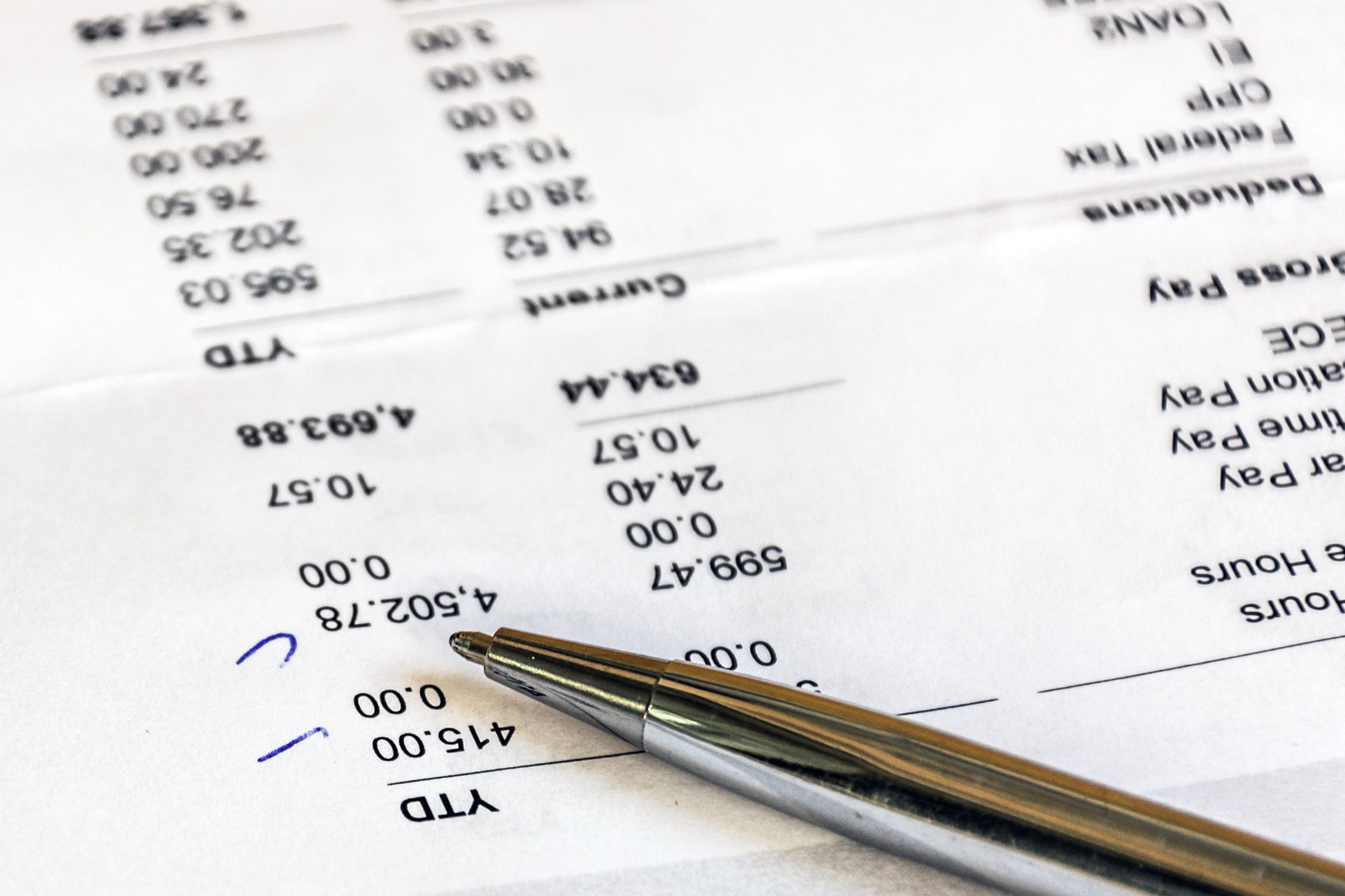
Understanding personal loan requirements before applying may help borrowers prepare more effectively.
1. Personal Loan Requirements Start With Your Credit History
Your credit history is one of the first things many lenders review. It helps them understand how you have managed credit cards, loans, and other debts in the past.
Lenders may assess your payment history, current debt load, account age, and any reported late payments, collections, defaults, or bankruptcies.
A stronger credit profile may help you qualify for a lower APR or better repayment terms, but it does not guarantee approval.
Even with poorer credit, borrowing is possible. However, you may see a higher APR, a smaller loan amount, a shorter repayment term, or extra conditions.
This is why it is important to review the full loan offer instead of focusing only on whether you can get approved.
2. Income and Employment Help Show Repayment Ability
Lenders check whether your income is sufficient to cover the monthly payment. This does not always mean you need a traditional full-time job, but the lender will want to see a reliable source of income.
Sources of regular income may include wages, salary, self-employment income, part-time work, retirement benefits, and other consistent earnings. The exact income types accepted can vary by lender.
Lenders may ask about your employer, job title, employment length, income amount, or recent pay details.
If you are self-employed, you may need to provide tax returns, bank statements, or other documents that show consistent income.
Income does not guarantee approval. The lender still needs to decide whether the new loan payment fits your overall financial situation.
3. Debt-to-Income Ratio Can Affect Approval
Lenders use debt-to-income ratio, often called DTI, to compare your monthly debt payments with your gross monthly income.
For example, if your monthly debt payments are $1,200 and your gross monthly income is $4,000, your debt-to-income ratio would be 30%.
A high DTI can make approval more difficult because it may show that your budget is already under pressure.
Even if your credit score is acceptable, a lender may be cautious if your existing debt payments are high compared with your income.
The Consumer Financial Protection Bureau explains that DTI compares monthly debt payments with gross monthly income.
Reviewing your monthly debt payments before applying for a personal loan may help. Paying down credit cards or other debts could make your finances look stronger before you apply.
4. The Loan Amount and Purpose May Matter
The amount you request can affect a lender’s decision. If your income, credit, or debt-to-income ratio is limited, a smaller loan may be easier to qualify for than a larger one.
Lenders may also ask why you want the loan. Common personal loan purposes may include debt consolidation, medical bills, home repairs, moving expenses, car repairs, major purchases, or emergency costs.
Some lenders restrict how loan funds can be used. For example, certain lenders may not allow personal loans for business use, investing, gambling, illegal activity, or some education expenses.
The loan amount should match an actual need. Borrowing more than necessary can increase your monthly payment and total repayment amount.
If you are not sure how much to borrow, list the exact expenses first and separate required costs from optional spending.
5. Identity Verification Is a Normal Part of the Process
Lenders need to confirm that the person applying is real and that the information on the application is accurate. This is a normal part of fraud prevention and compliance.
They may ask for basic identity information, including your legal name, date of birth, Social Security number or taxpayer identification number, current address, phone number, and email address.
Some lenders may also request a government-issued ID, proof of address, or additional verification if the information on your application does not match your credit file or other records.
It is important to enter information accurately. If your name, address, income, or contact information is incorrect, your application may be delayed or require more verification.
6. You May Need to Provide Your Bank Account Information
Many personal loan lenders require an active checking or savings account. This may be used to send loan funds, verify your account, or set up automatic payments.
The lender may ask for your routing number and account number. In some cases, the lender may review bank activity to confirm income deposits or account ownership.
Having a bank account does not guarantee approval. It is only one part of the application.
Before providing bank information, make sure the lender is legitimate. Be cautious with any company that asks you to send money first before releasing loan funds.
7. State and Lender Requirements Can Be Different
Personal loan requirements may vary based on where you live and which lender you choose. Some lenders do not offer loans in every state.
Loan amounts, APR ranges, fees, and repayment terms may also vary by state.
Each lender has its own internal standards. You may need to meet criteria such as minimum age, income requirements, credit standards, residency rules, and loan amount restrictions.
One lender may reject you, while another may offer different terms. However, applying to many lenders at once can affect your credit if each application results in a hard inquiry.
If prequalification is available, you may be able to compare estimated offers before submitting a full application.
8. A Co-Signer or Co-Borrower May Help in Some Cases
A co-signer or co-borrower may be an option with some lenders if you do not meet personal loan requirements on your own.
A co-signer agrees to be responsible for the loan if you fail to make payments. The co-signer may not use the loan funds, but their credit and income may support the application.
A co-borrower applies with you and is usually equally responsible for the loan. In many cases, both borrowers may have access to or benefit from the loan funds.
This option may help some borrowers qualify, but it also creates risk for the other person. Missed payments can hurt both credit profiles, and the co-signer or co-borrower may have to repay the loan if the primary borrower does not.
Not every lender allows co-signers or co-borrowers, so check the lender’s rules before applying.
9. Documents You May Need for a Personal Loan
Not every lender asks for the same documents, but preparing common information ahead of time can make the application process smoother.
Documents or details you may need include:
- Government-issued ID
- Proof of income
- Recent pay stubs
- Tax returns, especially for self-employed borrowers
- Bank statements
- Proof of address
- Employment information
- Existing debt information
- Loan purpose
- Bank account information for funding or payments
If a lender asks for additional documents, that does not always mean something is wrong. It may simply mean the lender needs to verify details before making a final decision.
However, watch out for companies that demand a fee before giving you the loan. The Federal Trade Commission warns consumers about advance-fee loan scams and misleading loan offers.
10. What to Do If You Do Not Meet the Requirements
If you do not meet a lender’s personal loan requirements, it does not always mean you are out of options. It may mean you need to adjust the loan amount, improve your credit profile, reduce existing debt, or compare with a different lender.
Possible next steps include:
- Requesting a smaller loan amount
- Reviewing your credit report for errors
- Paying down credit card balances
- Improving payment history over time
- Reducing monthly debt payments
- Adding stronger income documentation
- Considering a co-signer or co-borrower
- Checking credit union or bank options
- Waiting before applying again
Watch out for lenders that promise guaranteed approval, no checks, or approval for absolutely everyone. Real lenders usually need to review your information before making a decision.
Related Reading
If you are comparing loan options, read our guide on how to choose a personal loan before applying.
If you already have multiple offers, you can also review our guide on how to compare personal loan offers.
You may also find our article on emergency loans for unexpected expenses helpful if you are borrowing for an urgent cost.
Personal Loan Requirements Checklist
Before applying, review this checklist:
- You know how much you need to borrow
- You understand the loan purpose
- You have reviewed your credit history
- You know your approximate monthly income
- You understand your current debt payments
- You have checked the lender’s state availability
- You have basic identity information ready
- You can provide income or employment documents if needed
- You understand the APR, fee, and repayment term
- You are not paying upfront fees to receive a loan
The Consumer Financial Protection Bureau explains that APR includes the interest rate plus certain additional loan costs. This can make APR useful when comparing the cost of different loan offers.
Make the Requirements Work for Your Situation
Personal loan requirements are not just boxes to check. They are part of how lenders decide whether a loan is affordable and whether the borrower is likely to repay it.
Before you apply, review your credit, income, debt, loan amount, and monthly budget. A loan approval may be helpful, but the payment still needs to fit your real financial situation.
The best personal loan is not simply the one that approves you quickly. It is the one with clear terms, reasonable costs, and a repayment plan you can manage without creating new financial pressure.